Categories
BACCA Writers

Good Tools: The Elegant No

The word "no" spelled out using pieces of jewelry.

Writers need to know how to say No. In creative (and other) circles, there are magic words that have power, carry weight, move us forward. They aren’t a secret; we know them well.

Please. Thank you. Tell me more. Yes. No.

More so than the others, Yes and No shape our lives. Our time, energy, and other resources flow according to when we say Yes and how often we say No. For some people, No seems easy, a default answer they were either equipped or born with. For some of us (me!), No is hard. Some of us are trained to be accommodating, to say Yes first and figure out how to follow through later—all so we can be liked and considered useful, so we can help out the collective. As I’ve gotten older, and my time tighter, this Yes-first strategy has become impossible. Always offering Yes in place of a necessary No threatens the integrity of the rest of my life: my creative work (the first to be cut for time), my relationships, and eventually my health. If I want to function well, the collective is going to have to do without me, at least some of the time.

Cobbling Together a No

So, how is it done? If you aren’t born with or taught No, how do you find one in yourself? How do you employ this important tool well? First, I have to know my own heart and what I really want. I have to have a realistic conception of my schedule and my capacity. I have to know if I even have the adequate skills to accomplish what is being asked of me. (I had a terrible job once, where I had to fail hard to prove to my manager that I really can’t decorate cakes. It’s simply not in me. Good—that’s something I don’t ever need to say Yes to in the future!) Even more importantly, I have to keep a firm grip on my creative goals. When I perpetually support the projects of others at the expense of my own, I become the most bitter and angry version of myself—and of no benefit to anyone. So, I’m finding No by gathering together some important pieces of myself: intuition, self-knowledge, realism, and sometimes my stubbornness, my ability to resist.

How to Say No: Travel Light.

Simple, elegant, sufficient, the word No carries enough weight all on its own. Tacking on elaborate explanations, pity parties, or a string of apologies weakens and bleeds No of its power and energy.

No is precise, clear. It’s a light ship that will get you quickly, cleanly on to what you need to do. If you begin to tack on extra cargo to NoI feel so bad, I wish, maybe—your streamlined conveyance to freedom gets weighed down, stuck in the muck. Or possibly waylaid, hijacked, commandeered to the land of unintentional Yes. No good. Best to keep it light, simple, and straightforward.

Hone the Skill

A safe, low stakes opportunity to employ the No tool is a rare find. Recently, I had this opportunity. From another room in my parents’ home, I heard my mother answer the door. After just a few seconds, I knew she wasn’t talking to a friend or neighbor, but a pushy solicitor trying to convince her that she needed home security. He was young, full of energy, and had obviously been trained to never take no for an answer. (I still pray he doesn’t carry that skill over into his personal relationships.)

My mother was trapped. He had no intention of releasing her from his well-rehearsed sales rhetoric. To let the young salesman know that he had not found easy prey, but, in fact, a very well-protected house, I stepped to my mother’s side. As he shifted his barrage of warnings and promises in my direction, I began wielding the magic word—No—over and over again. I used it politely and firmly. In a calm voice, I said No at least a dozen times. Somewhere in the middle of this volley, I realized I had a choice. I could steam up, get mad and rude with him, or I could seize a rare chance to practice. For the next few minutes, I said No until it felt natural, comfortable, easy—almost fun. The young man’s training held strong. In the end, I had to use an additional magic word to release all of us from the encounter.

“No. Goodbye,” I said, and shut the door.

My heart still beating quickly from doing new work, I looked at my mother and we both laughed. Then we moved on with the rest of our day! In retrospect, I would only do one thing differently. I would invite my mother to practice, too.

Magic words open doors. No might feel like a door slam, but it opens another door too, as long as we don’t get stuck on the threshold, feeling guilty, replaying what-ifs and imagined consequences for saying what we want. For the person who says it, No has a hidden Yes on its obverse side. When I’ve said No to what I can’t or won’t do, I’ve said Yes to other wonderful things—time for discovery and rest, the opportunity to generate ideas and make good work—the treasures of a creative life.


Noelle Beverly writes poetry and prose, supports local writers in the surrounding community, and is a member of the BACCA Literary groupPhoto by author.

Categories
BACCA Writers

Worthy Work

by Noelle Beverly

A bookshelf of notebooks
a fraction of the notebooks I’ve filled with ponderings, queries, and ideas…

Why bother writing today? What is all this effort for? Why should I keep filling and making books?

These questions have been slinking in and curling up in my mind lately. In an era when it feels like all light and joy and freedom are getting speedily sucked out of this nation and the world, my insistence on making space for a creative practice seems frivolous and selfish, not to mention exhausting.

Still, I keep plodding on. Deadlines push me forward. A company of writer-friends, who encourage and commiserate, pull me through the jungle of doubt. And, on most days, I like what I do when I manage to do it. It feels better to make something than to wallow and worry.

I’m learning to be content with this—writing for my own satisfaction and delight. I would love to find a home for my books, perhaps an audience, but those goals can’t be the why of why I write. Right now, I don’t really have much extra time and energy to keep questing after an agent or publisher, but I’m trying not to let that stop me from moving my projects forward. I’ve found some inspiration for this predicament in an interesting place (or rather, time) …1925.

I’m fortunate to have an interesting day job working at a local history museum, and some colleagues and I recently put together an exhibit that looks back 100 years to 1925. Although the exhibit focuses on social life, the artifacts and stories we’re featuring point to a strong sub-theme: exuberant, irrepressible creative expression. One artifact in particular speaks to this: the Mayo Bass Scrapbook.

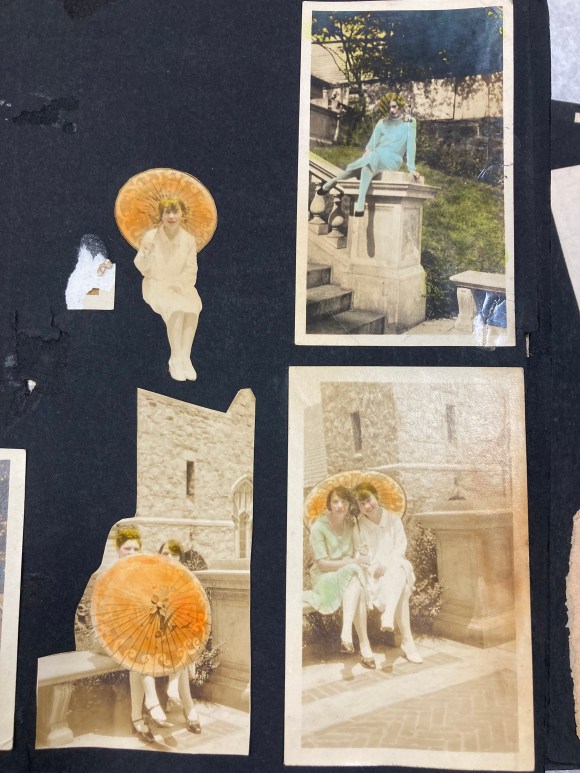
  • Scrapbook page from the 1920s with hand-tinted photos of a woman with a parasol
  • Scrapbook page from the 1920s, with stamps, cut out post marks, and a photo
  • Scrapbook page from the 1920s with notes and cut out images
  • Scrapbook page from the 1920s, including cigarette butts
  • a scrapbook page from the 1920s, including an image of a woman working a math problem on a chalkboard

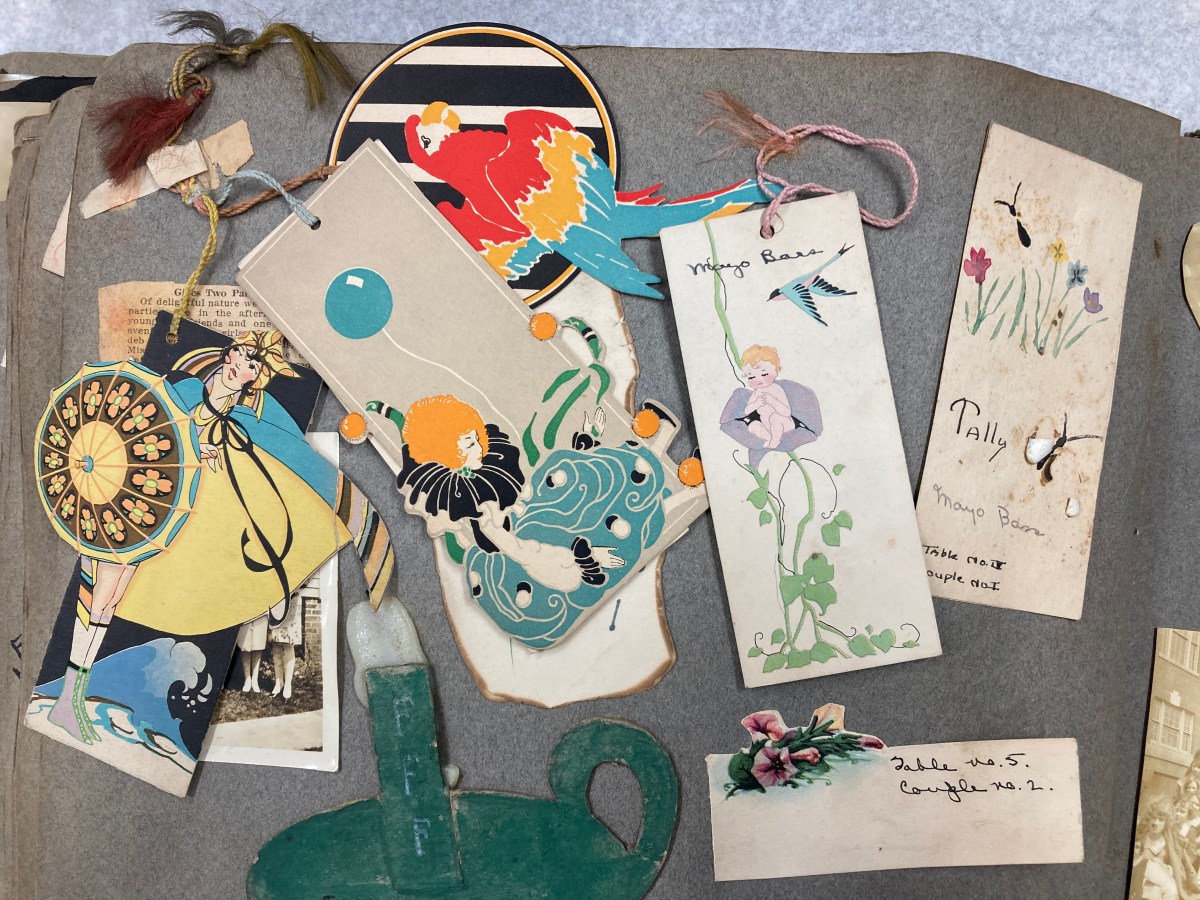
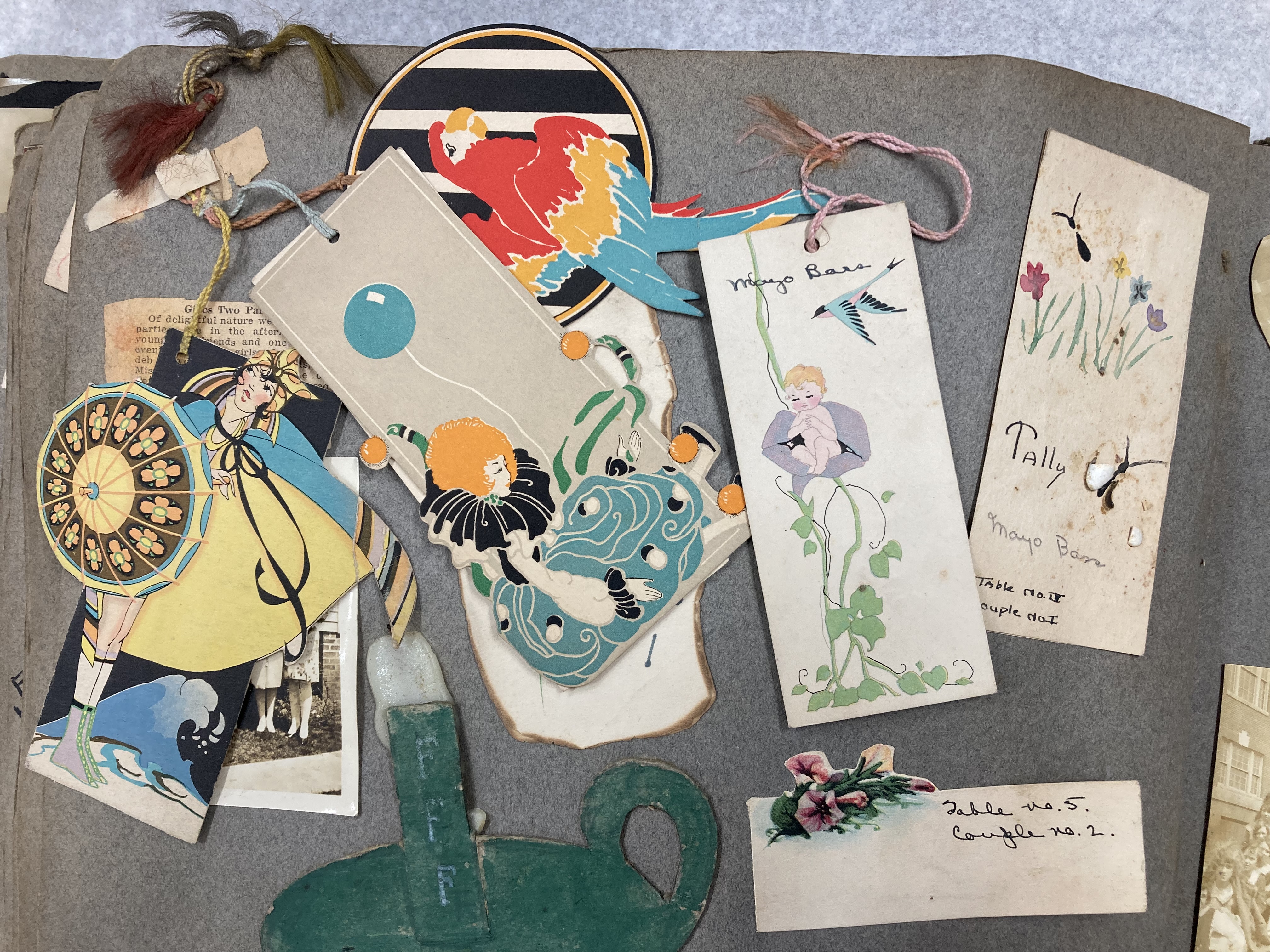
Lynchburg native, Mayo Leola Bass, was a young teenage girl still in high school when she began collecting the various papers and pieces that floated into her life and assembling those bits into a scrapbook. She mingled hand-tinted photographs with bright-colored bridge cards, programs, invitations, and party favors. She pasted letters and newspaper articles next to cut out post marks, and dance tickets. One page is filled with the stubs of cigarettes, with the name of each smoker carefully noted beside it. Comprised of ephemera—scraps literally intended to disappear—the scrapbook still has value and meaning 100 years later. It speaks.

The pieces Mayo Bass selected and saved could have just as easily ended up in the trash bin. I imagine someone might have even told her so. But she chose to save them and the result is remarkable. Pages and pages of seemingly inconsequential bits and pieces, which together add up to so much more—a provocative, funny, and informative record of a life. Thanks to this artifact, I feel like I know something about the young woman who created it, as well as the essence and flavor of that time she lived in and that place.

Mayo Bass Scrapbook page, featuring bridge cards and place cards.
A page from the Mayo Bass Scrapbook, ca. 1925, courtesy of the Lynchburg Museum

The Mayo Bass Scrapbook, in my opinion, is a piece of art as much as an historical artifact. It is an artfully made collage of the concerns and delights of a young woman living in the 1920s. My guess—Mayo Bass never dreamed anyone would see her creation that way. She likely made it solely for her own satisfaction. Perhaps, also for her daughters to peruse and enjoy one day. But for it to end up on display in a museum as the touchstone for an entire exhibit 100 years later? I bet she would have flicked the ash off her cigarette and laughed at the idea.

Mayo Bass didn’t know the future of her scrapbook or how it would be valued or perceived. This thought encourages me. It also encourages me to think of her cutting and pasting, creating an enchanting object, all just to suit herself. We don’t know the future of our creative work. But if one person finds delight in it, even if it is the artist herself, I think that’s enough. To make something beautiful, or provocative, or funny, even just to please ourselves, is worthy work.

The Mayo Bass Scrapbook will be on display at the Lynchburg Museum, 901 Court Street, through March 31, 2025.


Noelle Beverly writes poetry and prose, supports local writers in the surrounding community, and is a member of the BACCA Literary groupPhotos by author.

Categories
BACCA Writers

2011 – 2024

  • the BACCA Literary logo
  • The four members of BACCA
  • Bethany Joy Carlson
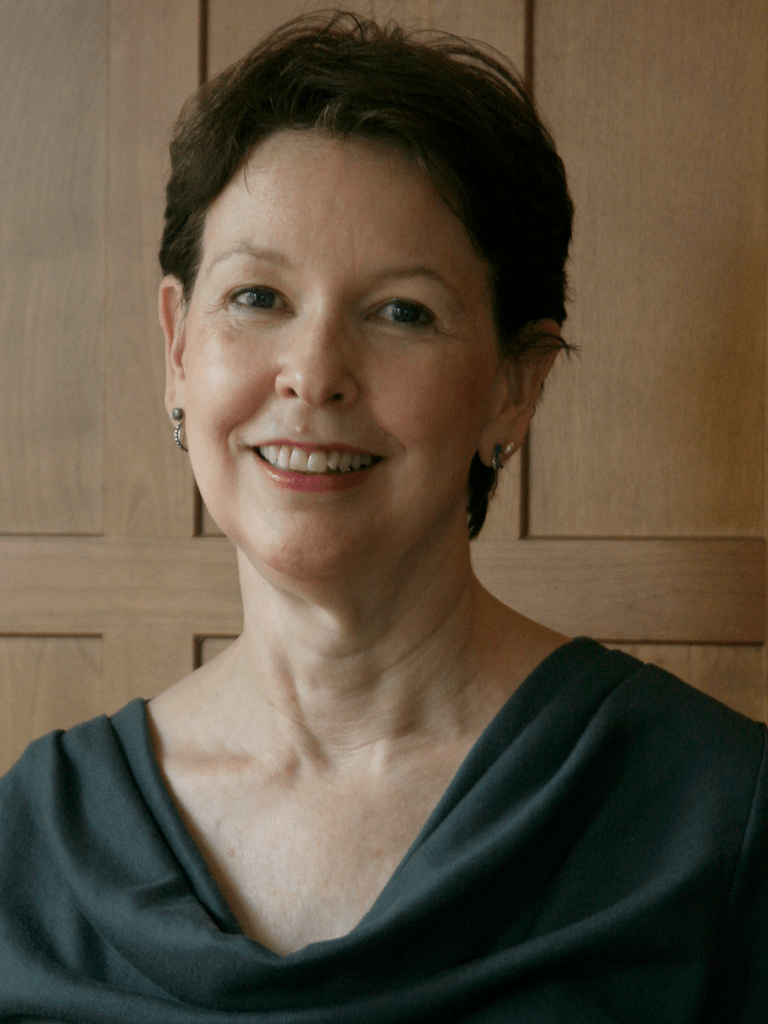
  • Claire Cameron headshot
  • AM Carley
  • BACCA logo with Virginia Festival of the Book and WriterHouse logos
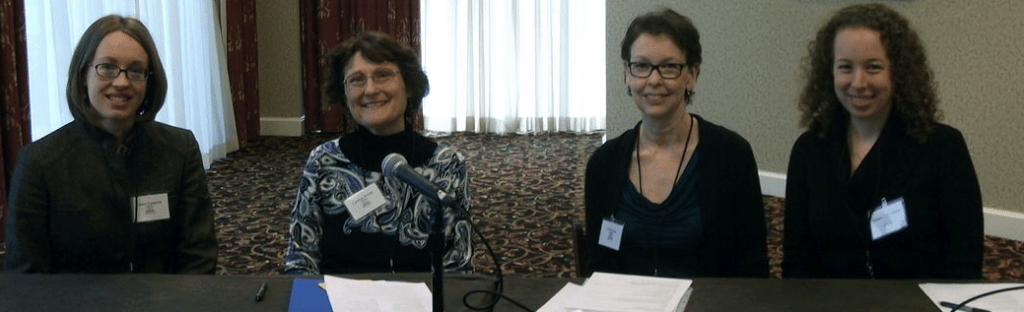
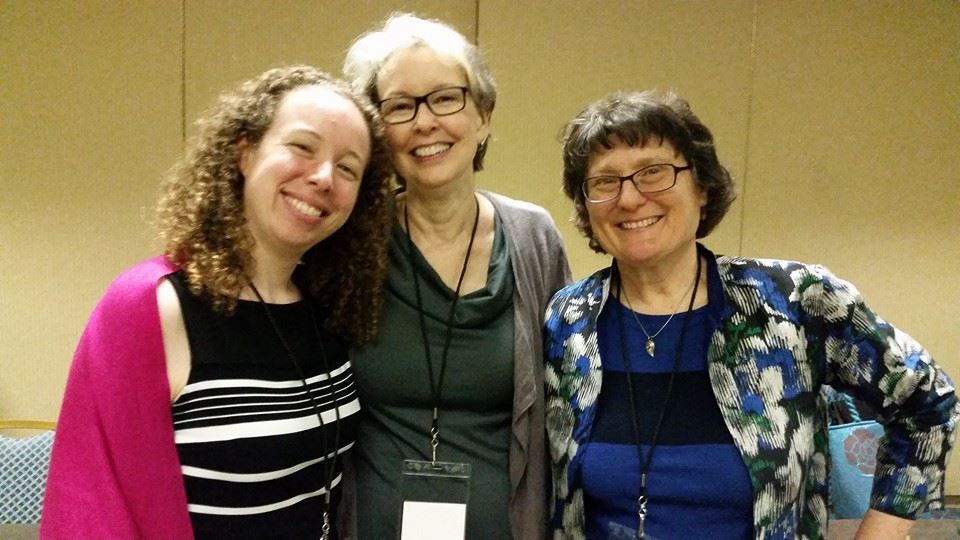
  • BACCA writers at Festival of the Book
  • BACCA group portrait
  • Carolyn, Bethany, Anne, Claire
  • Bethany's hands at work
  • Anne writing
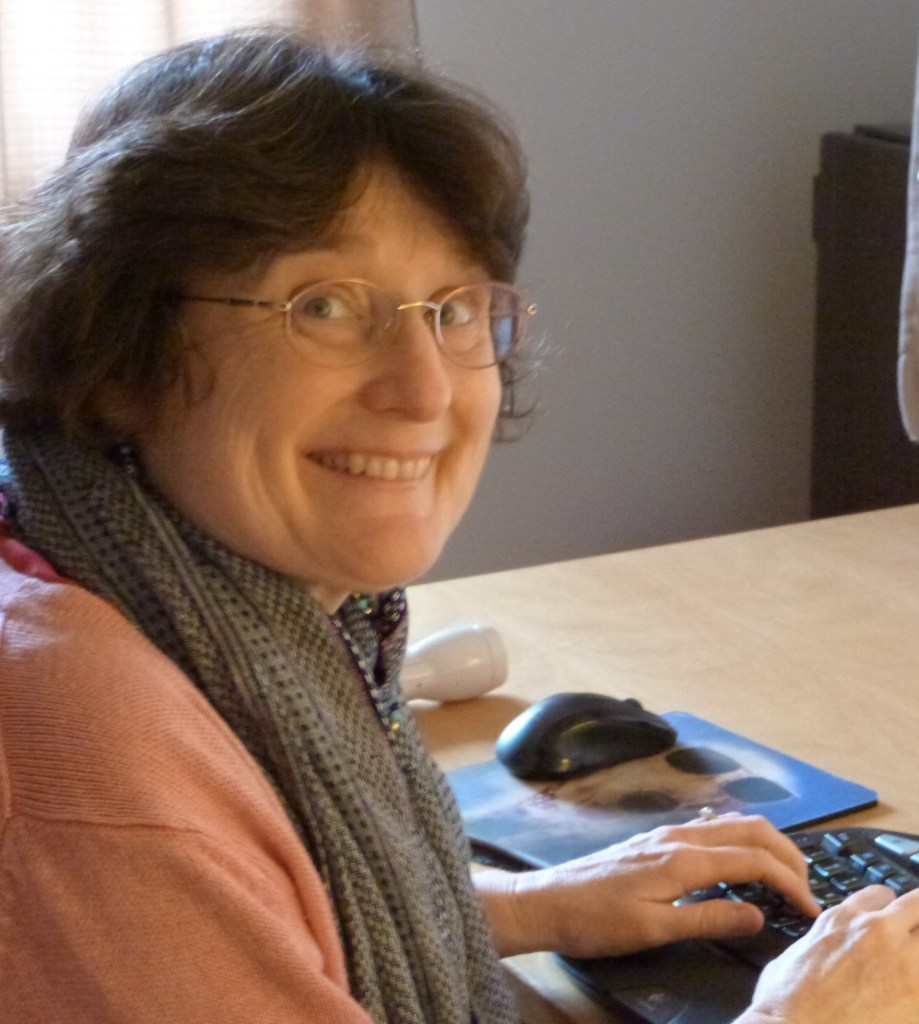
  • Carolyn at her desk
  • Claire looks up
  • A M Carley in WVTF Public Radio studio
  • Virginia Festival of the Book 2015
  • The members of BACCA Literary
  • The cover of FLOAT • Becoming Unstuck for Writers
  • photo of Andrea
  • Photo of Andrea
  • Front cover of High Tide
  • front cover of Family Album

Categories
BACCA Writers

Resources: Critiquing, Simplifying, and Ending ~ Plus Some Hope

Here are some of the best pieces of advice I’ve seen, bundled together as summer bounty for writers in the Northern Hemisphere. Are you planning on taking time off? Hard at work? Both? See what works for you here:

Beginners Mind

Start simple.
Image by Arek Socha from Pixabay

BACCA’s own Noelle Beverly put this evergreen blog post together a while ago for our website, after working on an internal document for our critique group. I notice that I keep sharing the link with other writers! Noelle’s apparently simple approach to critiquing the written work of another is powerful.

I begin with this: everything is intentional. I assume the writer has something in mind and figuring that out is my first job.
~ Noelle Beverly

Noelle has given us invaluable, humility-inducing advice and I recommend it to your attention. Take in this state of mind first, before starting to think critically about the pages you’ve received from a fellow writer.

Is This Necessary?

single flower blossom on a white background

Less is more.
Image by Glenn A Lucas from Pixabay

Are you overwhelmed? Desperate for ways to pare down the obligations, shoulds, lists, expectations, and self-flogging? Creativity coach LA Bourgeois (here’s her guest blog about Kaizen Muse for my website) in a recent newsletter advises us to “Chop wood, carry water. This phrase means to focus on simple acts and perform them to the best of your ability. Do NOTHING extra.”

Before you take any action, ask yourself if it is necessary to complete to maintain your body, spirit, heart, and work commitments. If the answer is yes, move forward. If no, move on to the next task.
~ LA Bourgeois

LA’s guidance may ring true for you as it does for me. I’m even considering – gasp – abandoning to-do lists during my time off next month.

Is This the End, My Friend?

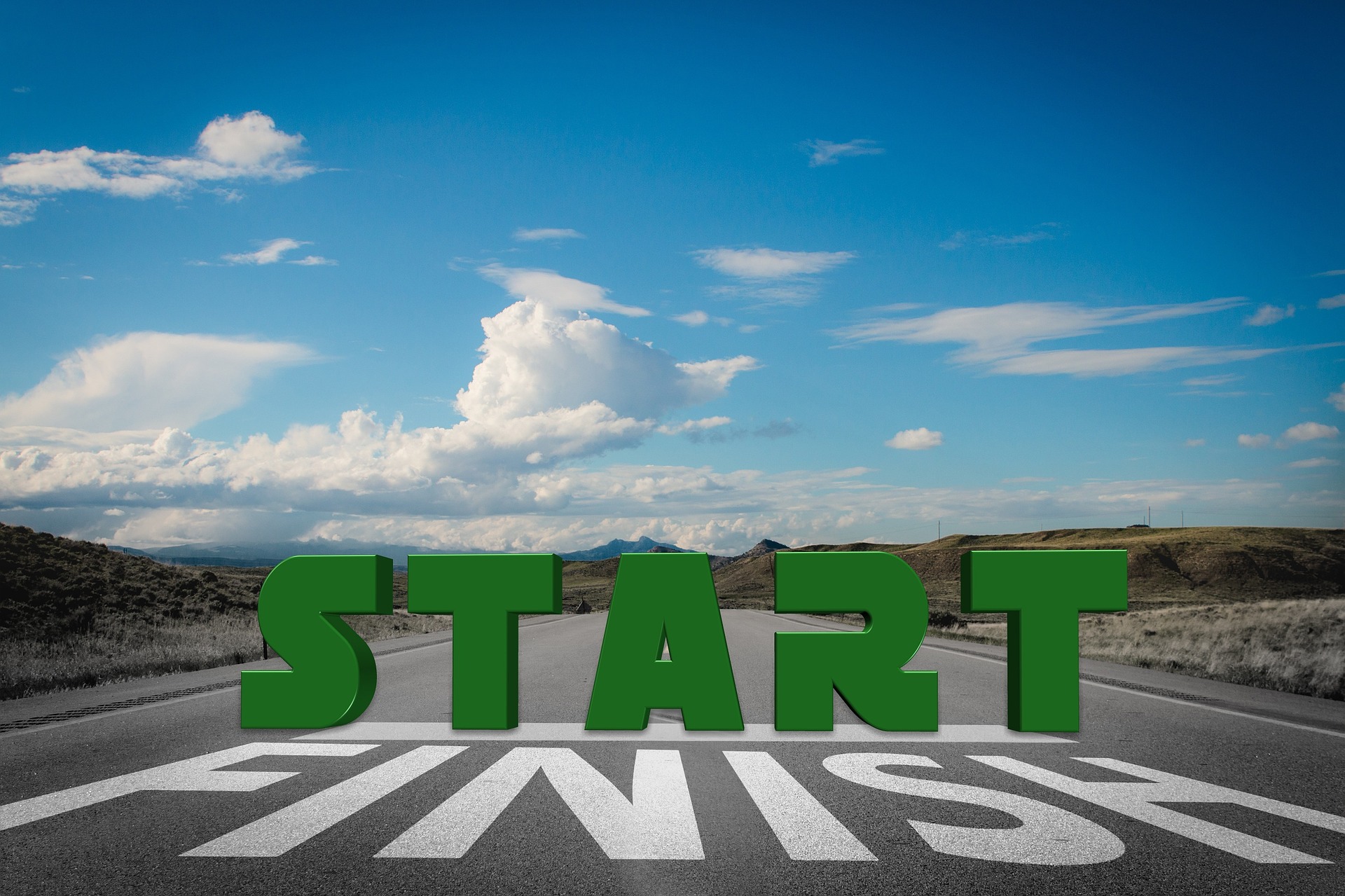
empty road in the mountains, with the words "FINISH" painted on the road surface and "START" superimposed above it.

Which is it?
Image by Gerd Altmann from Pixabay

Are you struggling with the ending to a piece of writing? George Saunders in one of his first public “Office Hours” essays provides ten ways to think about endings. While he’s speaking to short stories, I can see many of these ideas applying in other creative contexts as well.

Consider that, if you’re having trouble with your ending – you’re not.  Your issue is actually the beginning and/or middle of the story.
~ George Saunders

Saunders tells of a class he taught when non-writing-major undergrads all knew which elements of a Vonnegut story needed to be addressed to achieve a satisfactory conclusion. This gives me hope.

Not Made for These Times?

To wrap up, for those readers who, like me, are feeling swamped, struggling to move forward in the wake of so many cruel, baffling, unconscionable decisions from the US Supreme Court and elsewhere: Buddhist psychologist Tara Brach provided a podcast episode for us. “Navigating the Dark Ages” acknowledges the current environment and offers ways to keep going, finding and making meaning along the way with a sense of connectedness to others and participation in the long arc of human history. Give it a listen.

— A M Carley writes fiction and nonfiction, and is a founding member of BACCA. Through Anne Carley Creative she provides creative coaching and full-service editing to writers and other creative people. Decks of her 52 FLOAT Cards for Writers are available from Amazon. Anne’s writer handbook, FLOAT • Becoming Unstuck for Writers, is available for purchase from central Virginia booksellers, at Bookshop.org, and on Amazon

Categories
BACCA Writers

Curiouser & Curiouser

I’m starting to wonder if I have a curiosity problem. This never occurred to me before. After all, I love a good mystery. Libraries—the sanctuary of the curious—are my happy place. Imagination—where questions are born—is a sturdy, internal realm that I visit often. As a writer, I know that curiosity is a crucial tool, best kept sharp and shiny. Curiosity and I are good, old friends. Except…

Do I treat my curiosity more like a dirty secret than a trusted friend?

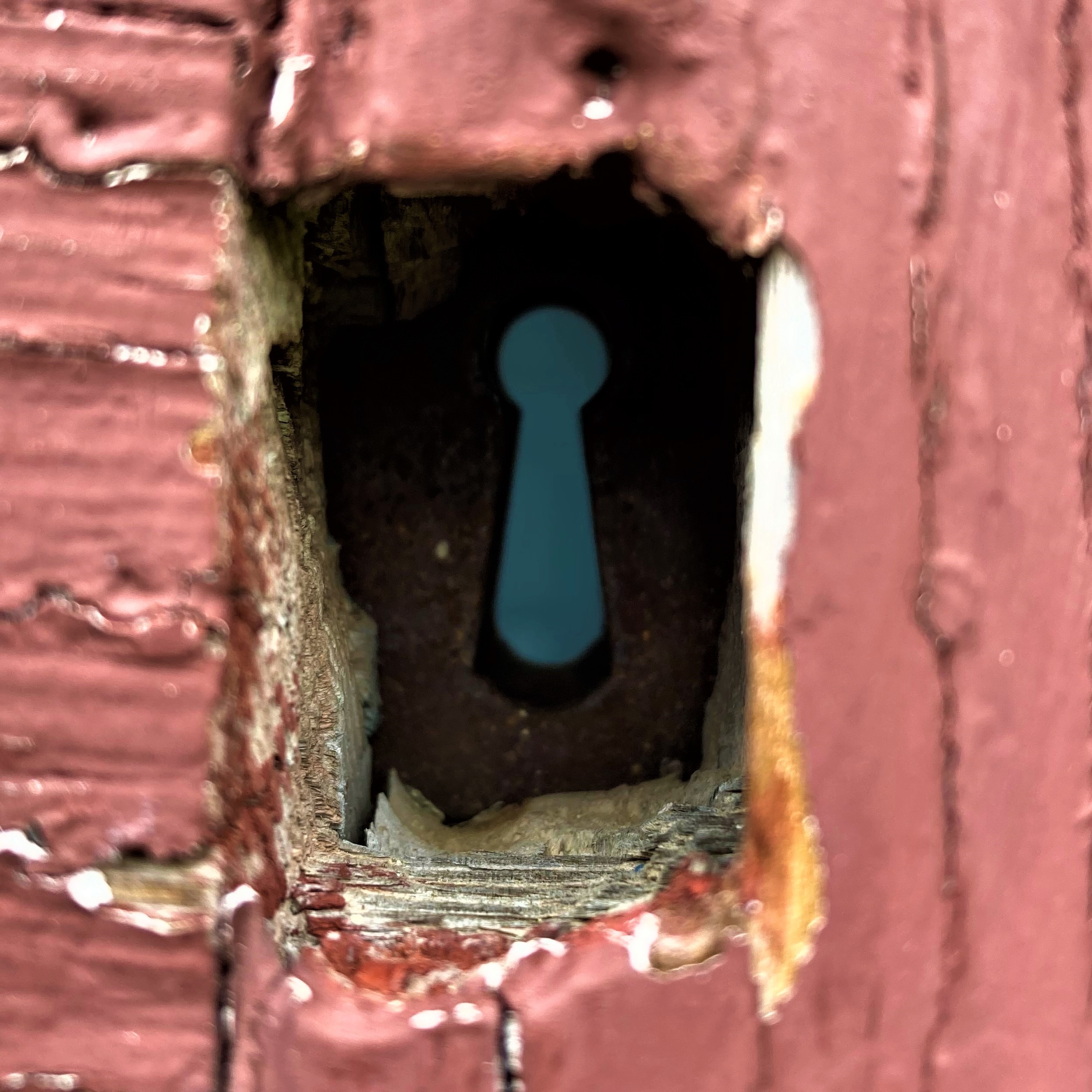
There was a time when I used to wonder out loud. I peered through every keyhole, tested every lock, turned the knob on every closed door—just in case. I watched for holes in stories and pointed at them. I made connections between ideas and tested those bridges out on others. I wandered and wondered out in full view.

Over time, something changed. My curiosity persisted, but my willingness to test it out in front of others waned. Instead, I’d delay my quest to know and employ clandestine habits designed to satisfy curiosity without risk of embarrassment or humiliation.

What happened? How did shame get involved?

Looking back, I see a trail of very stale breadcrumbs that led from there to here—moments when my weird questions led to awkward silences, unsatisfying replies, or worst of all, ridicule. A bewildered look would let me know I’d wandered away from the expected and into strange territory. A dashed off response intended to divert or pacify clued me in that I’d become annoying. Maybe the adults involved were merely uncomfortable—my curiosity had taken them past the boundaries of their own knowledge or experience and they had no idea how to answer. Less forgivable are those times that I received an answer delivered in a tone that made me feel small and ridiculous for even asking. Technically, my curiosity may have been satisfied, but the answer I’d sought was so laced with toxic disdain when I got it that the whole subject had become tainted.

If the sources of knowledge around you—family, teachers, friends—fear for your sanity or give you inadequate, or treacherously squelching answers in response to your genuine, wild and natural need to know more—well, you might do anything to scoot around the scrutiny and circumvent criticism. In my case, I took refuge in books. I found safe haven in libraries. I piled up good books and made a fort. Books are neutral. Books are safe. Right?

Are they?

Our culture is studded with stories—cautionary tales—about curiosity:

Curiosity killed the Cat. Eve broke the world when she tasted forbidden fruit from the tree of knowledge. Pandora opened that tantalizing box. Bluebeard’s naive (unnamed) Bride, married a monster, opened the door of a forbidden room and found carnage: the bloody corpses of brides that came before her.

Isn’t it fascinating how cataclysmic the consequences of curiosity are in these stories? So bloody. So final. So dire. Strange, here, how quickly a simple query leads to apocalypse or homicidal rage…

Eve doesn’t get a belly ache after taking a bite; her actions lead to the fall of all of humankind. Bluebeard’s Bride isn’t merely scolded; the price for opening the forbidden door is a gruesome death. Pandora, we are to believe, is responsible for unleashing the greatest horrors upon the world: greed, hatred, disease, poverty, and war. We don’t know how many of its nine lives that Cat had left—maybe none.

Curiosity must be pretty powerful if all the cautionary tales built around it come equipped with repercussions this devastating.

Does curiosity really matter?

Many experts and luminaries agree: curiosity is key.

Brené Brown, a researcher known for her lectures on vulnerability, describes curiosity as the “super power of middle age” and the best way to weather rejection. In Women Who Run With the Wolves, Dr. Clarissa Pinkola Estés examines the pervasive “trivialization of women’s curiosity” in stories like the Bluebeard fairy tale, and asserts that questions, especially those one is forbidden to ask, are “the keys that cause the secret door of the psyche to open” causing a “germination of consciousness” and the ability to recover vitality. In a recent interview, writer Margaret Atwood, when asked how she had remained prolific, active, and sharp into her eighties, told Tim Ferriss that it was curiosity that kept her thinking, writing, and publishing work. Re-framed, the upside of being curious sounds pretty good.

What about the consequences of keeping quiet?

What if the squelching of curiosity invites other forms of narrowing? What if a reluctance to ask questions leads to a fear of taking risks? Risks like… applying for good jobs, trying out a new love or hobby, choosing the riskier dream path with big rewards over the safer one that keeps you trapped in a smaller life. Maybe a stunted relationship with curiosity feeds inaction and stifles the ability to wonder what if. What if I could do that, try that, be that?

What now?

Maybe curiosity never got pushed to the edges of your life. Maybe you followed every stray thought, whim, and wondering to a satisfying end. Or maybe your questions got you into enough trouble enough times that you stopped asking them out loud. Maybe you saved up your wonderings and what ifs for private spaces and research. I think there’s hope even if you took a long break from investigating the mysteries and silences and untold stories that floated about you. For one thing, we have Alice holding down the fort amid all those stories in which females and their curiosity catalyzed destruction. We can be like Alice

Alice didn’t slip down the rabbit hole accidentally; she made a choice. She drank from the bottle and she ate the cake, even knowing they might change her. Alice found wonderland to be “curiouser and curiouser” at every turn (which any good explorer would if she’s really paying attention), but the strangeness did not stop her. Not ever. Alice traveled a wonder-filled dream world, led by her own curiosity, encountering strange folk and surreal situations, and she never stopped looking or asking questions. And…

The world didn’t end because of it.

Alice got home just fine—she returned to her family, pondered what she’d seen, and, no doubt, slept in her own bed that night. Where she might dream of wonders again.

*

Noelle Beverly writes poetry and prose, promotes local writers in the surrounding community, and is a member of the BACCA Literary groupPhotos by the author.

Categories
BACCA Writers

Critiques and the US Constitution

BACCA’s Origin Story

As described in another page in more detail, the writer group BACCA formed after four of us met in a fiction class at WriterHouse in Charlottesville Virginia.

After the final class session, the four of us wanted to meet again for one more critique session. Then we realized that we all wanted to create an ongoing writer group.

That was ten years ago. Wow – it almost seems impossible that it’s been ten years, but there it is in my 2011 calendar – “writer critique swap” at noon on Saturday the 25th.

Evidence! Proto-BACCA’s first meeting in the author’s 2011 calendar.

We immediately adopted the critique guidelines that had served us well in our writing class. Later, when we created a website for our group – by then we had named ourselves BACCA – we asked permission from Prof. Luke Whisnant, whose guidelines we’d been using, to reproduce them on the website as a resource for other writers. He graciously consented.

At our (pre-pandemic) workshops and in personal emails, we often referred other writers to these guidelines – along with a bundle of other writer group resources.

Changes over Time

Our membership has changed over the years. We now include two founding BACCA writers, another who’s been with us for many years, and one who is a guest member for the duration of her book manuscript. Three other writers were with us for a time, over the years.

Naturally, because of the variety of writers and the passage of time, our critique process has evolved.

A few months ago, we decided to take extra time at our monthly critique session to focus on the guidelines, and see where they might need expanding or refocusing.

Why the Guidelines are Like the US Constitution

I was shocked, when I looked a few months ago at the Whisnant critique guidelines, to see how much I’d added on to them – in my mind. Turns out, the actual guidelines only addressed works of fiction intended for adults, for one thing. Our group has produced, read, and critiqued in many more categories than that.

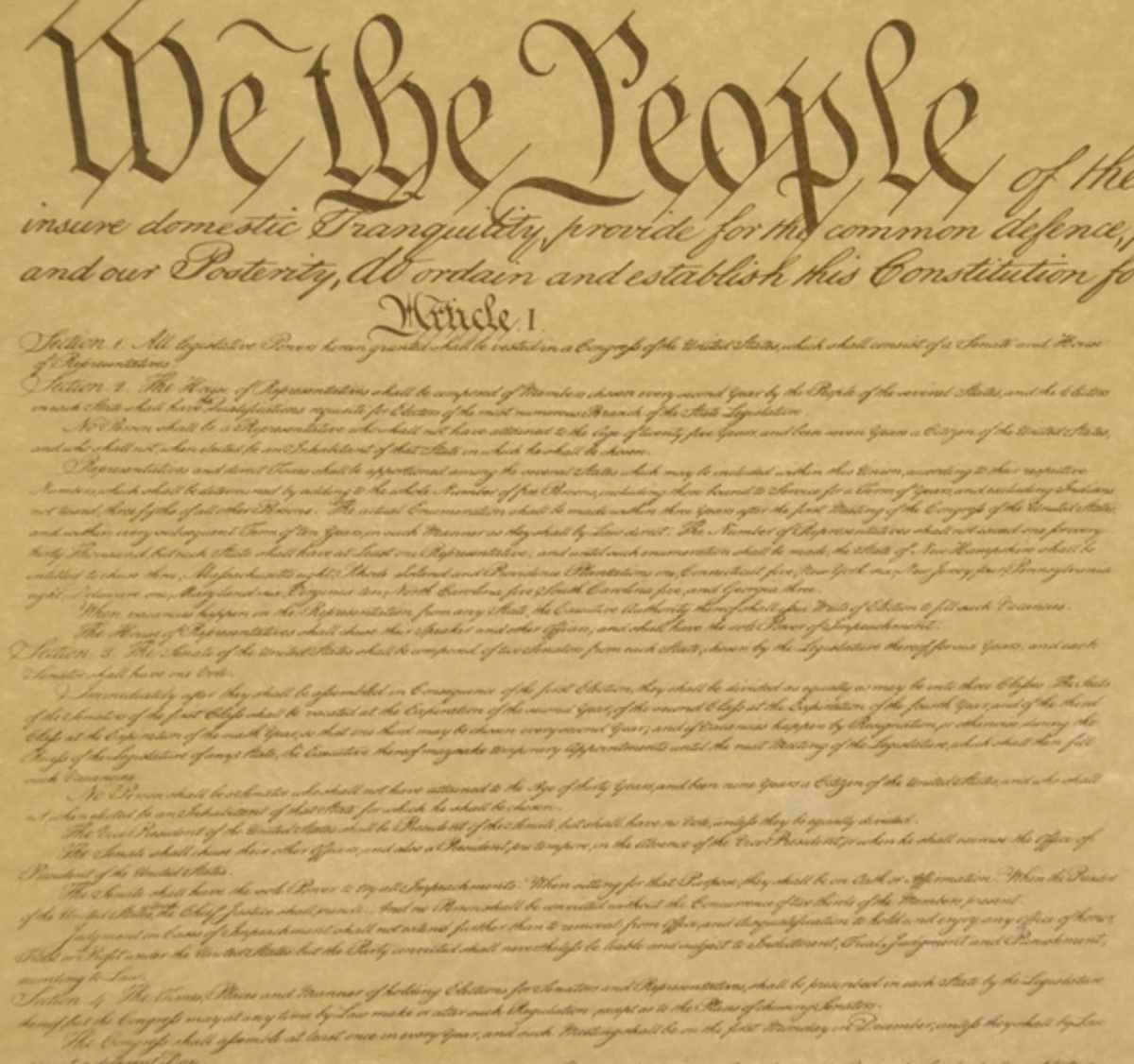
Kind of the like US Constitution, the underlying document had accrued a lot of additional meaning to over the years. But when I casually suggested to a new writer that a look at the guidelines on the BACCA website was all they needed to get up to speed, I had forgotten that none of that extra stuff is actually written down.

A reproduction of the beginning of the US Constitution

The US Constitution is written down.

So we went to work and came up with modifications to address not just adult fiction but also narrative nonfiction (from Carolyn O’Neal), children’s fiction (from Pam Evans), and self-help / instructional manuscripts (from me, A M Carley).

In addition, we now have a wonderful preamble by Noelle Beverly who gives every writer a high-altitude view of the critique process. Her suggestions are thorough, generous, and deeply insightful. You may recall seeing Noelle’s blog post here about this recently, as well.

Amendments Take Time

Also like the US Constitution, making changes to the underlying document requires deliberation and careful thought. Our process is not as glacial as, say, passing the Equal Rights Amendment – waiting since 1972 – but it has taken us several months.

We’ve posted our ratified expanded critique guidelines to the BACCA website. [updated after original blog post]

We really hope that writers find them useful. As Noelle points out in her preamble, preparing critiques benefits the critiquer as well as the critiqued. It’s already been a great experience and opportunity for us to reflect on the key features of an excellent critique.

PS For a brilliant hour all about the importance of the US Constitution, I recommend What the Constitution Means to Me, written and performed by Heidi Schreck.

— A M Carley writes fiction and nonfiction, and is a founding member of BACCA. Through Anne Carley Creative she provides creative coaching and full-service editing to writers and other creative people. Decks of her 52 FLOAT Cards for Writers are available from Amazon. Anne’s writer handbook, FLOAT • Becoming Unstuck for Writers, is available for purchase from central Virginia booksellers, at Bookshop.org, and on Amazon

Categories
BACCA Writers

Silent Companion

 “[T]he habit of writing … for my own eye only is good practice. It loosens the ligaments. … What sort of diary should I like mine to be? Something loose knit and yet not slovenly, so elastic that it will embrace anything, solemn, slight or beautiful that comes into my mind.
—Virginia Woolf, A Writer’s Diary

How I Started

One winter night when I was young, I sat looking out my bedroom window at the dark street in front of my parents’ house. My parents and I were on a long-distance phone call – they in the kitchen, I on the long-lobbied-for extension recently installed in my room – catching up with a family friend. The friend had called cross-country to give us the good news that a recently married couple we all knew and loved were expecting a child in May, and wasn’t it great?

As I listened, my parents’ unseen reactions seemed tinged with something. Hmmm. I’d gone to the November wedding. I counted on my fingers: one for December, two for January, three for February, and so on. When I got to six for May, I started over again, to find my error.

I knew about a mostly unspoken rule that said babies are supposed to be born more than nine months after the wedding. I also concluded this couple had broken the rule. I had questions. Lots of questions. It would not be smart, however, for me to ask my parents. While Bohemian in many ways, they each had a strong Puritanical streak that manifested from time to time, and this had all the earmarks of such an occasion. I didn’t want to be in the room when they hashed it out between them.

I didn’t have any friends to talk to about something like this. I grabbed a green spiral-bound notebook from my schoolbag and wrote out the months, to be extra sure. Wow. The mother-to-be must have been pregnant already when I helped her get dressed on her wedding day. I had no idea.

I turned to my green notebook. I needed to sort out my feelings about this good news that turned sideways when it revealed a transgression. I found a steadfast companion that night.

green spiral notebook
Photo by Kelly Sikkema on Unsplash; edited by AMC

After that night, I kept pulling out the green notebook before I slept. It soon became a habit. I appreciated the safety of having a place to try out my thoughts before I spoke them or acted on them. I had a place where I could confide in complete privacy. As a thirteen-year-old girl I had many questions and puzzlements and uncertainties. The best place to express them, it often turned out, was in my green spiral notebook.

Many years have passed. I still maintain a blank notebook. After the green wirebound notebook filled up, I experimented with form. For a few years I made entries in a miniature bound journal my choirmaster gave all the choristers every December. This may have been to foil my eyeglass-wearing parents in the event they got nosy. I can now barely decipher my tiny handwriting – full of abbreviations and codes – in those volumes. Once I was out of my parents’ house I settled on the sewn and taped binding of a “composition book” with a marble-pattern cardboard cover. The main thing didn’t change: now as then, my journal is a welcoming open creative space. I seek a coherent narrative for this life, and the pages of my journal are where I conduct that search.
Why I Treasure My Silent Companion

Following are one big and three small gifts I have received from cultivating a journaling practice.

Three Timeframes

Unprescribed, unsupervised, unlimited, the regular putting of pen to page gives back so much. And it doesn’t just happen while you’re writing. I find that an ongoing journaling practice takes place in three timeframes – during, after, and before.

1. During

While I’m writing in my journal, I’m in the moment, and can let the words pour out, often unexamined. The passage of time is unimportant. I remain uncritical, open to what the pen in my hand puts onto the page. This process becomes a deeply ingrained habit. It helps keep me going, sustains me when I’m feeling under pressure, rewards me with insights revealed through the act of writing them, and gives me the place to puzzle out answers so I can gain understanding and take action on incomplete pieces of my life.  

2. After

From time to time, I flip back and review pages already covered with my handwriting. Here, I can examine everything. Retrospectives of prior years’ entries can be useful and enlightening. Some patterns permit detection only in hindsight. From a longer view, I can appreciate genuine progress, and also note ongoing themes that recur in cycles of a year, or a decade, or longer – like the rings in a tree trunk or geologic strata. As Virginia Woolf discovered when she returned to old volumes of her diary, “I found the significance to lie where I never saw it at the time.”

3. Before

Once the journaling habit became embedded, I began to notice, as they cropped up during the day, ideas and observations that felt like they belonged in my journal, even when it wasn’t at hand. One approach is to just carry the book around with you wherever you go so it’s always at hand. When I did that, I asked myself the clever question, If I’m carrying a bag big enough to hold my journal, why not toss in a few more things? Some unpleasant neck and shoulder issues ensued. Instead, I now can opt to carry small, lightweight methods for making temporary jots that I can add to the journal later. Smartphones make this easier (although sometimes, I find, things really want to be written, not typed). These ‘before’ contributions to an ongoing journaling practice are worthwhile contributions to the contents, and are also reassuring and self-reinforcing evidence of the centrality of this relationship between my journal and me.

Silent companion central

Good Enough

Journals are wonderful antidotes to perfectionism. Uncritical and impossible to shock, patient and unfazed, my journal can handle whatever I introduce. Its quality just does not matter.

Other Voices

When you allow yourself free rein in your journal, you “invite your quieter, more thoughtful voices to come forward and be acknowledged.” A M Carley, FLOAT • Becoming Unstuck for Writers. Accept the possibility that there are sources of wisdom within you that are not accustomed to being heard. Make them welcome.

Positivity Rebalance

My journal is a time-tested method of correcting for negativity bias, our human hardwired focus on what’s wrong at the expense of appreciating what’s working well.

Beyond Study Hall

I use my journal for much more than I did all those years ago in my bedroom at my parents’ house. No longer an adolescent, I am less interested in parsing out who said what in study hall. Crucially, I now have a sturdy community of friends and loved ones with whom to share life’s questions. The value of my journal has only increased over the years. It remains my silent companion. Open to whatever I write, annotate, or doodle, it welcomes me every time. Virginia Woolf’s ideal, a framework “so elastic that it will embrace anything, solemn, slight or beautiful that comes into my mind,” is attainable.

— A M Carley writes fiction and nonfiction, and is a founding member of BACCA. Through Anne Carley Creative she provides creative coaching and full-service editing to writers and other creative people. Decks of her 52 FLOAT Cards for Writers are available from Amazon. Anne’s writer handbook, FLOAT • Becoming Unstuck for Writers, is available for purchase from central Virginia booksellers, at Bookshop.org, and on Amazon

Categories
BACCA Writers

Maya for Writers

Several ancient schools of thought, originating thousands of years ago in India and in China, tell us that when you give something a name, you cut it off from the great swirling unknowable unknown that we call the universe, the mystery, darkness within darkness, or the nature of reality. Of course, those are all names, so it becomes impossible to write about the underlying nothing, since the moment we use words, we confine the thing that is too big for words.

Austin Guevara bokeh lights pexels-photo-237898
Pulling focus to create uncertainty. Photo credit Austin Guevara pexels-photo-237898

How do creative artists, including writers, manage that paradox? On the one hand, the writer’s tools are words. On the other, in order to touch the universal, we must abandon words, abandon thinking altogether, in fact.

Leaving Thought Behind

This is why, for example, forms of meditation recommend that we ‘just be,’ focusing on breath, and briefly acknowledging and then dismissing thoughts as soon as they appear. In this context, thoughts are sometimes compared to clouds in the sky, waves on the surface of a deep ocean, or cars passing by on the road. They come and go, and have no meaning.

A teacher recently posed the problem, “Describe to me last week – without using words.” He concluded that the task was impossible, because there is no ‘last week’ without words and symbols. Ideas, relative positions in time, in fact the notion of time itself, are all constructs. All Maya.

Image of smoke rising in a vortex
The illusion of smoke. Photo credit Rafael Guajardo pexels-photo-604672

Maya, a Sanskrit word sometimes translated as illusion, has multiple, nuanced meanings. In Western popular-culture shorthand, maya has come to mean the shared trance that we unknowingly, collectively agree to, so that we can function in the modern world. Buying into the trance of maya, we pay our bills, go to our jobs, drive in traffic, give birthday gifts, vote for politicians, accept the names of things, and in countless other ways entertain the culturally accepted method of viewing the world. Underneath maya, though, is that limitless unknowable everything. Is being free from maya the goal of those seeking enlightenment?

My first response to the teacher’s question about communicating ‘last week’ without words, was to imagine a kind of interpretive dance, or a quickly drawn image that somehow elicited in the viewer an intuitive grasp – somehow – of the notion of ‘last week.’

Maya for Writers

Assuming for the moment that a dancer or artist might be able to do that, what does the writer do, faced with this challenge? Even the most artful, obscure poem uses words, does it not? And words, unavoidably, conjure up in each one of us our previous uses, memories, knowledge, and responses to them. In fact, words have richness and power because of all our associations with them. This is true for the writer and for the reader.

fountain pexels-photo-3822110
The magic of a child and an illuminated fountain. Photo credit Darren Lawrence pexels-photo-3822110

If writers cannot possibly escape maya in our work, can we use our shared unreality for good? Do we use language – our creative tools – in ways that can shift that shared maya, for a moment, into a slightly new light? Do we apply metaphors and similes? Do we arrange words in unexpected sequences to permit the reader a brief glimpse of something beyond the words, into the unknowable?

— A M Carley writes fiction and nonfiction, and is a founding member of BACCA. Through Anne Carley Creative she provides creative coaching and full-service editing to writers and other creative people. Decks of her 52 FLOAT Cards for Writers are available from Amazon. Anne’s writer handbook, FLOAT • Becoming Unstuck for Writers, is available for purchase from central Virginia booksellers, at Bookshop.org, and on Amazon.

Categories
BACCA Writers Events

Editing and Publishing

Continuing my exploration last time here of the nature of editing, I’m back to write about a new adventure that extended editing into publishing. I’m an editor who became a publisher for my friend and fellow BACCA writer, Andrea Fisher Rowland.

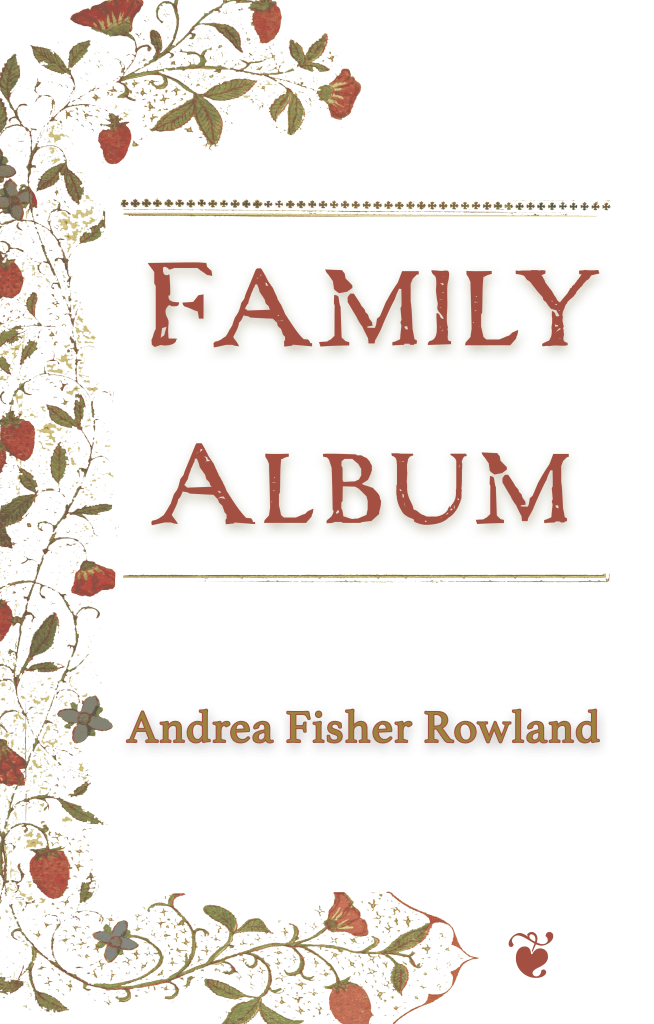
More than a year ago, Andrea and I began to work together to get her poetry collection, Family Album, polished and published. After completing the final touches on the manuscript, we also put our heads together about a cover for the book. I gave her several choices to use as starting points, and she picked her favorite, from which I made a final cover. Over the months that we worked on Family Album, Andrea learned that, contrary to expectations, her illness had taken a turn, and that she would not be expected to live much longer. We doubled down, to make sure the poems were ready for publication as soon as possible.

front cover of Family Album
Family Album, the poetry collection

I decided to offer Andrea a publishing deal. The “deal” was unconventional in several ways, and not a typical commercial publishing agreement. But as her friend, I knew how important it was to Andrea that her collection be available to the public, and I knew how to make it happen. Some years ago, I inherited a small music education publisher, which I still operate. I also published my own writer handbook, FLOAT, and through my business I have advised and assisted numerous authors who publish their own work independently. I figured these experiences qualified me to extend the offer to Andrea. Her delighted response told me I had made a good decision.

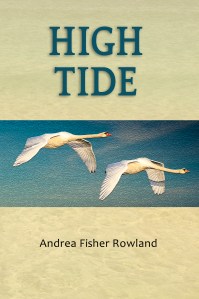
Then Andrea asked me to publish her novel, High Tide, as well. I was familiar with the first half of the story, because I’d been reading it section by section as Andrea sent it to BACCA for our monthly critiques. Time was not on our side, however, and the work of polishing the novel extended past its author’s lifetime. Dorene Fisher worked with Andrea during her final days to review the text line by line, and after Andrea’s passing, Dorene and I continued. The language of Andrea’s novel is exceptionally sensitive and poetic, so we editors focused on sustaining the author’s tone and light touch, while adjusting for chronological continuity. Happy byproducts of this effort include a new friendship for Dorene and me (thanks, Andrea!) and a lovely sense that Andrea has been in the room with us, cheering us on and providing guidance. BACCA writer Noelle Beverly did us the great honor of reading through the edited version and making important and useful suggestions, and both Noelle and Carolyn O’Neal provided extensive moral support.

Front cover of High Tide
High Tide, the novel

Andrea died in June of this year, after holding Family Album in her hands. At her sister’s request, I also gave Andrea a version of High Tide, its cover inspired by her request for imagery of two swans in flight and a blue and gold color palette. As publisher, I also needed to tick the requisite legal boxes, turn the edited manuscript into a print-ready book, get ISBNs assigned, and complete the numerous other behind-the-scenes tasks that precede any publication. Now, after a summer of work, I expect to receive the first printed proof of High Tide any day now. Soon it will be out in the world, ready for its reading public.

Accordingly, we’ve put together two events to celebrate the publication of both of Andrea’s books. All are welcome to attend. My fellow BACCA writers play an essential role here, as well, since Noelle Beverly and Bethany Carlson Farris have each extended themselves to make these events possible, on Saturday morning, 7 December at Baine’s Books & Coffee (Scottsville, VA) and on Tuesday evening, 12 November at Renaissance School (Charlottesville, VA) respectively.

For details about both events, follow this link! Be sure to save the dates in your calendars. Both events promise to be warm, regardless of the outdoor temperatures.

With gratitude to Andrea for entrusting me with her work, to my co-editor and friend Dorene Fisher, to Andrea’s kind family, to BACCA for the warm support we have come to rely upon from one another, and to future readers everywhere, thank you, all.

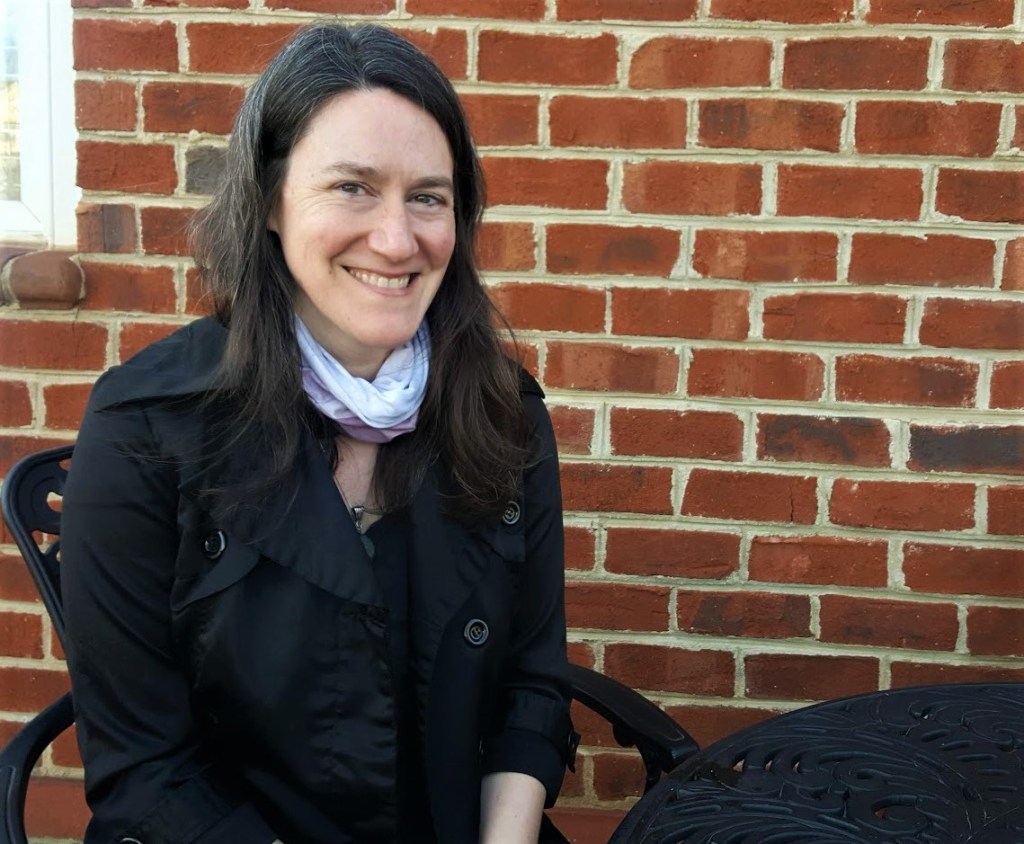
photo of Andrea
Andrea Fisher Rowland

— A M Carley writes fiction and nonfiction, and is a founding member of BACCA. Through Anne Carley Creative she provides creative coaching and full-service editing to writers and other creative people. Decks of her 52 FLOAT Cards for Writers are available from Amazon. Anne’s writer handbook, FLOAT • Becoming Unstuck for Writers, is available for purchase from Central Virginia booksellers, at Bookshop.org, and on Amazon. #becomingunstuck 

Categories
BACCA Writers

Turn! Turn! Turn! – A Writer Group Evolves

I could practically hear The Byrds harmonizing to McGuinn’s twanging 12-string, doing their famous rendition of Pete Seeger’s song adapted from the Book of Ecclesiastes. The morning of our annual June retreat, our writer group received the news that one of our own would not be joining us for the weekend. In fact, she was leaving the writer group altogether.

Her note was moving and heartfelt. Good things in her life were superseding her writing in importance. I knew this to be true. I shed some tears and thought about how different the weekend was now going to be. So much depended on the four of us who remained.

I felt optimistic, because we already had some experience with changes. We got started back in 2011, when four of us attended a fiction class at WriterHouse , our local writing nonprofit, and decided to continue as a critique group. We adopted – and then adapted – the critique guidelines from Luke Whisnant that our teacher had recommended to the class, and established a reliable monthly schedule which we all observed.

Gang of Four

We thrived as a foursome for a number of years. We wrote, published, funded our projects, promoted them, and all the while sent in monthly segments of new work for discussion. We grew as writers, and as a group. We even did a series of public presentations on the benefits of committing to a writer group.

the first BACCA logo (2011) with four berries on it
Our original logo, for the four-writer membership

Then one of us made some big changes to her life. She got married, accepted a new professorship at a university far from our base in Charlottesville, and had a baby. The combined distance, responsibilities, and changed focus meant she could only meet with us sometimes, and via Skype, not face to face in the usual coffee shops, offices, and living rooms where we congregated.

Changing Numbers

So, in effect, we were a more often a group of three than four. Undaunted, we put out the word that we sought a new writer to join us. A few interviews later, we wound up with not one but two engaging new voices to join the chorus.

The six of us rallied for one final retreat, all together, last summer in Virginia. Then our far-flung writer announced that it was unlikely she’d be able to join us in future, even by Skype, what with teaching, the baby, and a forthcoming academic book in the works.

It made total sense, and we helped where we could, beta-reading portions of her book, and cooing over photos of the new baby. We missed her, each in our own ways, and welcomed the two new writers to our circle. We evolved.

A new five-member vibe emerged. Then another of our original writers let us know she’d be withdrawing for a time. She had exigent priorities, related to the events of 12 August 2017. Those of you not in the Charlottesville, VA area may not have felt the urgency that the day created among many of us to do something in the wake of the horror and violence. In the aftermath, our writer was drawn to investigate, and withdrew for a time from the rhythm of sending in several thousand words per month to our writer group. We supported her decision, needless to say. In fact, many questions remain, almost a year later, about who did what – and did not do what – to and for whom on that day, not to mention what factors led to the conditions that resulted in so much harm – to individual people and to the community.

So we were, temporarily, four. Knowing that our fifth writer was likely to return, we left an extra seat at the table for six months or so. Sadly, at the end of her leave of absence, she had found no resolution. Like many Charlottesvillians, she discovered the answers to her questions remained stubbornly out of reach.

She rejoined active participation in our group, once again a circle of five writers. It felt good. The number gave us more flexibility. If one of us were out of town, we still had a satisfying foursome at the monthly critique. I remember reflecting that our writer group had its own life force, its own reason for being. In addition, we each demonstrated our care for the group itself, tending to it with kindness and intelligence.

Life went on this way for a little while. Earlier this year, we all anticipated the retreat, scheduled for mid-June. As in prior years, we’d rented a place, planned shared activities, along with ample solitary time, and looked forward to sharing dinners assembled in the kitchen, enjoyed by all.

Then on the morning of what was to be our first day together, we got the email. Our instigator, the person who in 2011 first invited three other writers to do a critique, had come to the end of the road with BACCA. Just as had happened a year before with the new mother / academic transplant, her reasons were overwhelmingly positive and beyond reproach. As I re-read the email, I saw how happy her life had become. A new career, marriage, a home in the country – all these developments were worthy of celebration.

Now We Are Four – Again

When the remaining four of us met up at the retreat, we all had some adjusting to do. Now half of us were old-timers – around since 2011 – and half of us had been involved for eighteen months or so. What effects would that new balance have on our equilibrium?

It didn’t take long to find out. By the next day, at our scheduled critique meeting, we found ourselves already functioning as an effective, collegial, purposeful, compassionate, and committed group of four.

Happily, as do the other BACCA writers, I remain connected to the two writers who have departed from active involvement with the group. It is a great pleasure to know both of these fellow writers, now friends, and to enjoy the conversational styles and senses of humor unique to each of them. I am filled with admiration for the ways each of them has designed a life that gives them joy.

cropped-bacca-6-olives-purple980pw.png
We’re keeping the six-berry logo.

Turn, Turn, Turn

And as for BACCA, once again, our shared intention to serve the group overcame the uncertainty. As the song goes, to everything there is a season. Once again, BACCA reconfigured itself and evolved. May your writer group do the same.

— A M Carley writes fiction and nonfiction, and is a founding member of BACCA. Her company, Anne Carley Creative, provides creative coaching and manuscript development services to authors. Decks of 52 FLOAT Cards for Writers are available on Amazon. Anne’s writer handbook, FLOAT • Becoming Unstuck for Writers, is available for purchase at Central Virginia booksellers and on Amazon. #becomingunstuck